
Title: What Is GSM in T-Shirts? The Streetwear Fabric Guide
Description: Wondering what GSM means in t-shirts? Learn why 240+ GSM heavyweight cotton creates the signature oversized streetwear drape and outlasts fast fashion.
Keyword: what is gsm in t-shirts
Category: Fabric & Production
Ever Wonder Why Some Graphic Tees Look Crisp While Others Look Flimsy?
You buy two t-shirts in the exact same size. One hangs with a clean, structured boxy shape that commands attention. The other clings awkwardly to your torso, curls around the collar after one cycle in the wash, and feels thin.
The difference isn't magic—it comes down to a single garment metric: GSM.
If you care about streetwear, garment longevity, and true oversized silhouettes, understanding GSM will change how you shop for clothes forever.
What Does GSM Actually Mean?
GSM stands for Grams per Square Meter. It is the standard textile unit used to measure the physical weight and density of knitted fabric.
Lower GSM (120–160): Indicates a lighter, thinner fabric. Often used for athletic performance wear, cheap promotional tees, or undershirts
.Midweight GSM (180–210): The traditional retail casual tee. Breathable, but lacks structure.
Heavyweight GSM (240–300+): Dense, substantial, and durable. This is the luxury streetwear benchmark.
Myth Busting: Higher GSM does not automatically mean a shirt will make you hot and sweaty. Fabric breathability depends on the yarn quality (such as 100% combed cotton) and weave tightness, not just sheer bulk. A combed 240 GSM cotton tee breathes naturally because natural cotton fibers allow air circulation while maintaining a clean, structured drape.
Why True Streetwear Demands 240+ GSM
1. The Silhouette Doesn’t CollapseOversized cuts need fabric weight to preserve their shape. A lightweight fabric sags, exposing body contours and losing the intended drop-shoulder form. A 240+ GSM cotton creates clean lines that hang straight down from the shoulder seam
2. Screen Prints Won't DistortBold back prints and high-density chest graphics need a solid canvas. When you print dense inks onto thin cotton, the fabric puckers around the print. Heavyweight jersey remains flat, keeping graphic prints sharp and intact.
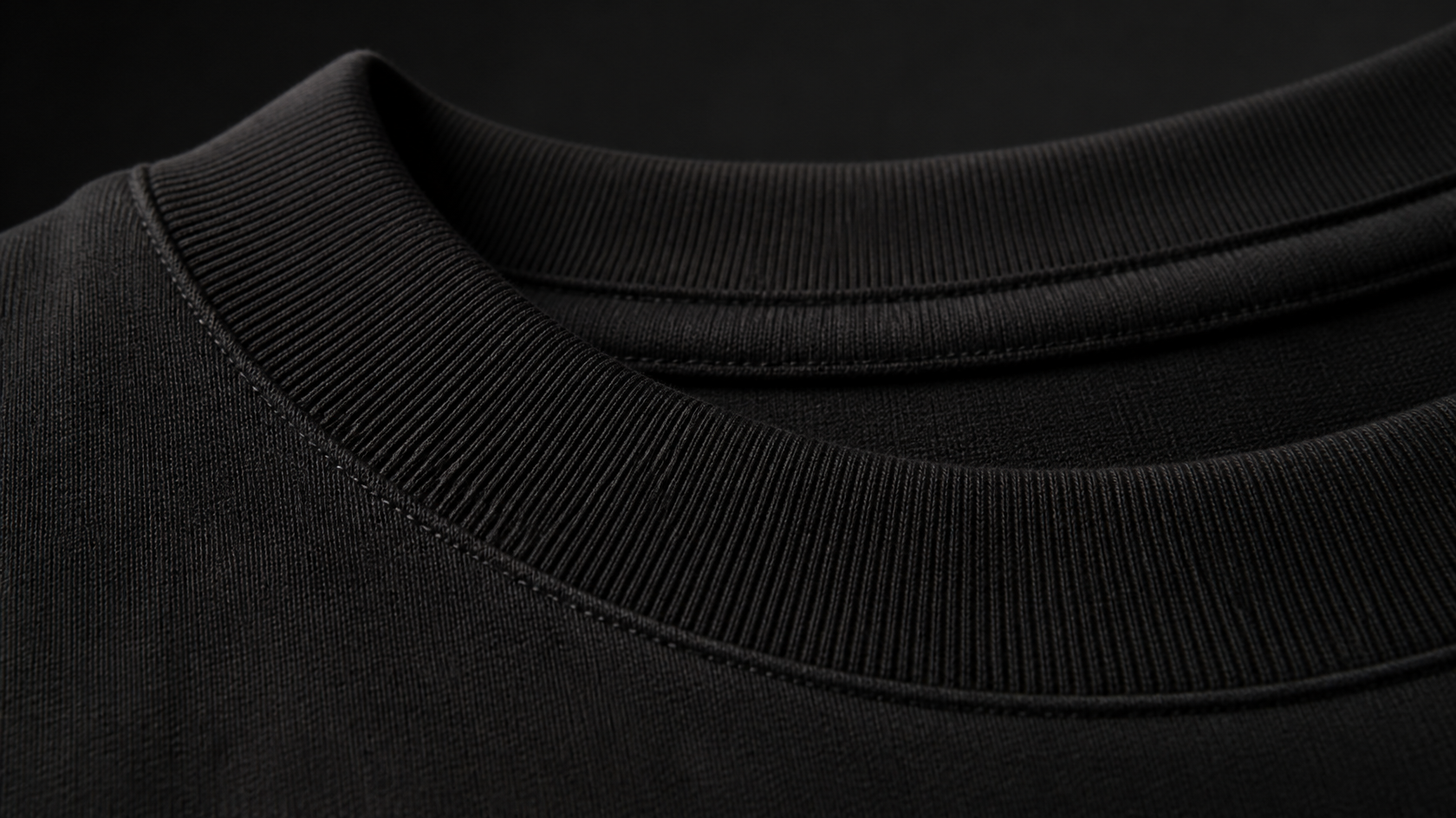
3. Thick Neck RibbingNothing ruins an aesthetic faster than "bacon collar"—the wavy, stretched-out collar that plagues budget t-shirts. Heavyweight tees are constructed with high-gauge lycra-ribbed collars that sit flat against the neck wash after wash.The Bottom Line: If you're building a wardrobe that lasts, stop checking only the tag size and start checking the fabric weight. Demand 240+ GSM for real street-ready substance.